
Children miss 30% to 50% of recommended well-child checkups. Not because their families do not care about preventive care — but because life gets in the way. Transportation falls through. A parent cannot take another day off work. Childcare for siblings is not available. The result is a pediatric panel full of kids who show up when they are sick but are months or years overdue for their well-child visit. Sick to well visit conversion in pediatric practices is one of the most practical ways to close that gap — without asking families to come back for a second appointment.
The irony is that these children are already in your exam room. They are sitting on your table with an ear infection or a cough, and your practice has the clinical opportunity and the billing mechanism to complete a well-child visit during that same encounter. Most Medicaid Managed Care Organizations (MCOs) pay for the combination of sick and preventive services on the same day. The question is whether your workflow is set up to catch it.
The Missed Opportunity Hiding in Your Sick Visit Schedule
The American Academy of Pediatrics recommends 13 well-child visits before age six. For Medicaid populations, the gap between recommended and completed visits is significant — and the consequences are measurable. Missed well-child visits are associated with higher rates of emergency department use, preventable hospitalizations, and delays in diagnosing developmental disorders.
But here is what the data misses: many of these children are not absent from your practice. They are coming in for acute visits. They have a relationship with your office. The barrier is not access — it is the structure of the visit itself. When a three-year-old arrives for strep throat and is 14 months overdue for a well-child check, the clinical opportunity is right there. The workflow just has to support it.
How Sick to Well Visit Conversion Works With Modifier 25
Modifier 25 is the billing mechanism that makes same-day sick-to-well conversion possible. It allows your practice to bill for a significant, separately identifiable evaluation and management (E/M) service on the same day as a preventive medicine visit — provided the documentation supports both encounters.
Here is the operational framework, pulled directly from Equality Health’s clinical quality guidance.
The Billing Structure
For a combined well and sick visit, bill the preventive visit using the appropriate preventive medicine CPT code (99381–99385 for new patients, 99391–99395 for established patients) with diagnosis code Z00.121 (routine child health examination with abnormal findings). Then bill the sick visit E/M code (9921x series) with Modifier 25 appended in the first modifier position. If immunizations are also administered, add diagnosis code Z23 as a secondary code. Modifier 25 must be in the first modifier position on the sick visit claim — when it is not, the sick visit is at risk for denial.
The Documentation Requirement
This is where many practices stumble. The medical record must support two distinct clinical notes — one for the preventive visit and one for the acute problem. These do not need to be in separate documents, but the documentation must clearly separate the two E/M services. A single blended note that mixes the well-child assessment with the acute complaint will not support both codes. Acute diagnosis codes that are not applicable to the current visit should not be billed.
The Workflow Change
The conversion starts before the patient enters the exam room. When a sick visit is scheduled, front desk or clinical staff should check whether the child is due for a well-child visit. If they are, schedule extra time so the provider can complete both. At check-out, schedule the next well-child follow-up regardless. And when reviewing the day’s schedule, look for siblings who may also be overdue — and schedule them at the same time.
Why This Matters for EPSDT, HEDIS, and Your Practice
Every converted sick-to-well visit counts toward the Healthcare Effectiveness Data and Information Set (HEDIS) well-child measures — W15 (Well-Child Visits in the First 15 Months), W34 (Well-Child Visits ages 3–6), and WCV (Child and Adolescent Well-Care Visits). It also satisfies Early and Periodic Screening, Diagnostic and Treatment (EPSDT) requirements, which mandate comprehensive preventive care for all Medicaid-enrolled children.
For practices participating in the Equality Care Incentive Program (ECIP), the impact is direct. Wellness visits represent 30.7% of all ECIP-eligible activities — the single largest activity pillar in the program. Every well-child visit completed through a sick-to-well conversion generates the same ECIP credit as a standalone wellness visit. Your practice earns quarterly activity-based payments for work you are already positioned to do during encounters that are already on your schedule.
How CareEmpower and Your Practice Team Make It Systematic
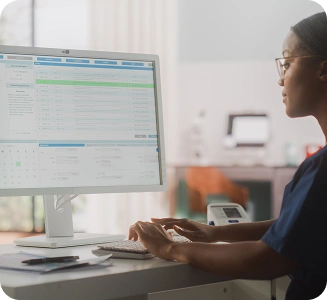
The difference between occasional conversions and consistent ones is workflow infrastructure. CareEmpower® surfaces which patients are overdue for well-child visits directly in your daily worklist — so when a child is scheduled for a sick visit, the care gap is visible before they walk in. The Chart Prep Tool prompts staff to review each patient’s preventive care status and flags sick-to-well conversion opportunities alongside immunization reminders and other open activities.
Your Practice Performance Advisor (PPA) can work alongside your team to build this into the daily rhythm — training front desk staff to check well-child status at scheduling, coaching clinical staff on documentation that supports both E/M codes, and identifying patterns in your panel where conversion rates could improve. This is not a one-time training. It is an ongoing workflow embedded in how your practice operates.
For the hardest-to-reach families — those who cancel frequently, have transportation barriers, or have not been in for any visit in over 18 months — our Care Specialists and Community Health Workers (CHWs) can provide outreach to reconnect them with your practice. When those members finally do walk through your door for an acute problem, the conversion opportunity is even more critical. It may be the only visit you get for another year.
The Practical Checklist for Your Team
Making sick to well visit conversion pediatric standard practice does not require a new system. It requires a consistent set of habits across your team.
- At scheduling: check whether the child is due for a well-child visit and add time to the appointment if so. Check siblings while you are at it.
- Before the visit: use the Chart Prep Tool or your EHR to review preventive care gaps, due immunizations, and developmental screening status.
- During the visit: complete the well-child components — age-appropriate screenings, physical exam, height, weight, BMI documentation, anticipatory guidance, and any due immunizations. Document the preventive and acute portions as two distinct notes.
- At billing: bill the preventive medicine code with Z00.121 or Z00.129, bill the sick visit E/M code with Modifier 25 in the first position, and add Z23 if vaccines were administered.
- At check-out: schedule the next recommended well-child visit regardless of whether a conversion happened today.
Stop Waiting for the Visit That Never Gets Scheduled
The children on your panel who are overdue for well-child care are not going to magically appear for a standalone preventive visit. The families facing the biggest barriers — transportation, work schedules, childcare — are the same ones most likely to delay or skip a dedicated well-child appointment. But they will come in when their child is sick. Sick to well visit conversion in pediatric practice turns that reality from a frustration into a strategy. It closes care gaps, captures EPSDT credit, strengthens your HEDIS performance, and generates ECIP earnings — all during an encounter that was already going to happen. The visit is on your schedule. The child is in your exam room. The only question is whether your workflow is ready to make the most of it.